Garden design and build in Finsbury Park
If you are looking for garden design and build in Finsbury Park, you are probably already thinking about more than just planting a few flowers or laying a bit of turf. In a busy part of North London, outdoor space has to work hard. It may need to be a calm place to relax after work, a family-friendly area for children, a stylish setting for entertaining, or a practical courtyard that is easy to maintain all year round. A well-planned garden can improve how you use your home, how it feels to live there, and how much everyday enjoyment you get from the space.
Finsbury Park has a mix of property styles and outdoor spaces, from compact terraces and period conversions to modern flats, maisonettes, shared courtyards, and commercial premises with frontage or roof space. That variety matters. Every garden needs a different approach, and the best results usually come from combining thoughtful design with careful construction. Whether you want a full transformation or a targeted redesign of part of the space, the right local team can help you create something attractive, durable, and suited to the way you live.
This page is for homeowners, landlords, tenants with permission, and business owners who want a practical and attractive outdoor area that feels right for Finsbury Park.
Why garden design and build matters in Finsbury Park

Outdoor space in Finsbury Park is often limited, overlooked, or awkwardly shaped. That does not mean it cannot be transformed. In fact, small or challenging gardens often benefit the most from a joined-up approach. When design and build are handled together, the result is usually more coherent, more efficient, and better suited to the site conditions. You avoid the common problem of a plan that looks good on paper but is difficult to maintain, expensive to install, or not suitable for the actual space.
A local garden design and build service also understands the realities of urban properties. Narrow side access, basement level gardens, shared entrances, traffic congestion, parking restrictions, and limited storage space for materials can all affect how a project is carried out. In and around Finsbury Park, those practical details are just as important as the planting scheme or paving choice. A local team can plan around them from the beginning, which helps keep the project organised and less stressful for you.
For many customers, the aim is simple: create a garden that is usable, attractive, and realistic to maintain. That might mean a low-maintenance courtyard for a busy household, a welcoming front garden to improve kerb appeal, or a multi-functional space with dining, play, and planting zones. Garden design and build in Finsbury Park should always be tailored to how the space will actually be used, not just how it will look on completion day.
What a garden design and build service can include

Every project is different, but a typical garden design and build package can combine concept planning, material selection, site preparation, construction, planting, and final finishing. Some customers want a full redesign from the ground up. Others only need help with one or two elements, such as replacing tired paving, reshaping beds, or creating a more private seating area. The benefit of using one team is that each part of the job can be coordinated in a logical sequence.
In practical terms, your project may include hard landscaping and soft landscaping. Hard landscaping covers the built elements: patios, paths, decking, retaining walls, steps, edging, fencing, pergolas, planters, and drainage solutions. Soft landscaping covers the living elements: soil improvement, turfing, planting design, shrubs, trees, climbers, bulbs, mulch, and seasonal structure. When these are designed together, the garden feels balanced and much easier to enjoy.
Depending on the size and condition of the plot, the service may also involve garden clearance, removal of old features, excavation, levelling, and preparation for new surfaces. For homes in Finsbury Park with compact rear gardens or shared outside areas, careful planning is especially important because every square metre counts. A good layout can make a small space feel more generous and far more useful.
Designing for local homes, flats, and commercial spaces

Finsbury Park is not a single type of neighbourhood. It includes Victorian and Edwardian houses, conversions, new-build developments, maisonettes, and mixed-use buildings. That means the right design strategy varies widely. A family home may need lawn space, secure planting, and room for a dining table. A flat might have a courtyard, roof terrace, or balcony-style garden that needs privacy, lightweight materials, and clever storage. A commercial property may need a tidy, professional outdoor frontage that is easy to maintain and creates the right first impression.
Local experience matters because it helps a team make sensible recommendations. For example, some rear gardens in the area receive limited sunlight due to neighbouring buildings and boundary walls. In those spaces, shade-tolerant planting, reflective surfaces, and careful positioning of seating areas can make a real difference. In brighter plots, drought-tolerant planting and more open layouts may be better. Garden design and build in Finsbury Park should respond to the orientation, shade, privacy, and day-to-day use of the site.
Commercial customers in and around Finsbury Park also tend to value reliability and tidy workmanship. Whether it is a café garden, office courtyard, shared residential space, or retail frontage, the outdoor area should look clean and function well without demanding constant attention. A professionally designed layout can reduce maintenance demands while still making the property more attractive to visitors, staff, or tenants.
How the process usually works
From first idea to completed garden
Most projects begin with a conversation about how you want the space to feel and what it needs to do. Some people come with a clear vision; others simply know the garden is not working and want advice on what is possible. A good design and build process turns those ideas into a practical plan. It should consider your budget range, the character of the property, the maintenance level you want, and any access constraints that could affect the work.
After the initial discussion, the next stage is usually a site assessment. This allows the team to measure the space, review levels, identify drainage issues, check access, and note existing features that can be kept, reused, or removed. In tighter urban gardens, these details are especially important because a small change in level or layout can completely change how the garden functions.
The design phase often includes layout suggestions, materials, planting ideas, and advice on features such as lighting, screening, storage, or seating. Once the plan is agreed, the build work can begin. Depending on the complexity of the project, this may involve demolition, groundworks, construction, drainage, paving, planting, and final detailing. The best results usually come from a steady, well-sequenced approach with clear communication at each stage.
What is included in a typical local project
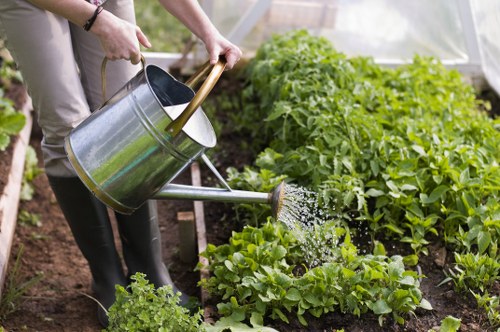
A full garden transformation can include many different trades and tasks. While every project is unique, it is helpful to know what is commonly involved so you can compare services properly and understand where the value comes from. A local garden designer and build team may provide some or all of the following:
- Initial consultation and site review
- Garden layout and design ideas
- Removal of old or unusable features
- Ground preparation and levelling
- Patios, paths, and paving
- Decking and raised platforms
- Fencing, screening, and boundary treatment
- Planters, retaining walls, and garden structures
- Turfing, artificial grass, or meadow-style areas
- Planting plans suited to sun, shade, and maintenance needs
- Lighting and finishing details
- Waste removal and site tidy-up
Not every garden needs every element. In fact, one of the most useful things a local team can do is help you avoid unnecessary work. If your garden needs a simple but effective refresh, it may be better to improve the layout, introduce stronger planting, and make a few targeted hard landscaping changes rather than overbuilding the space. Practical design choices can often have a bigger impact than adding more features.
For properties with shared access or limited storage, project planning should also include how materials will be brought in and removed, where work vehicles can be placed, and how disruption to neighbours or tenants will be managed. That practical side is a big part of delivering a smooth project in a busy local area like Finsbury Park.
Design ideas that suit Finsbury Park properties
There is no single formula for a successful garden here, but certain design ideas work especially well in local settings. For smaller rear gardens, a clean layout with defined zones can make the area feel larger and easier to use. A dining terrace near the house, a central lawn or paved area, and a planted rear section can create structure without making the garden feel crowded. For narrow plots, continuous lines and subtle changes in texture often work better than too many separate sections.
Many customers also want a garden that looks good year-round. That is where evergreen structure, layered planting, and durable surfaces come in. You do not need to fill every corner with high-maintenance plants to achieve a great result. Instead, a well-balanced mix of trees, shrubs, perennials, and hard surfaces can keep the garden attractive through the seasons. Garden design and build in Finsbury Park should help you get a space that is enjoyable in spring, summer, autumn, and even on darker winter days.
Privacy is another major concern in the area. Many gardens are overlooked by neighbouring homes or flats, especially where buildings are close together. Screening can be achieved through fencing, trellis, planting, or a combination of these. The right choice depends on your preference, height limits, maintenance tolerance, and the overall look you want. In some spaces, subtle screening is better than tall barriers because it feels lighter and more open.
Materials and finishes that perform well locally

Material choice is about more than looks. It affects durability, maintenance, cost, and how the garden feels to use. In Finsbury Park, where many gardens are urban and space-saving solutions are often needed, materials need to be practical as well as attractive. Paving should suit the scale of the garden and the style of the property. Timber or composite decking can be useful where level changes need to be managed. Gravel, resin-bound surfaces, and stepping stone paths may also work well in certain layouts.
When selecting materials, it helps to think about how much upkeep you want. Some customers prefer natural finishes that weather over time and develop character. Others want crisp, modern surfaces that are easy to clean and maintain. There is no right or wrong answer, but the materials should match the property and your lifestyle. A family garden, for example, may prioritise easy-clean surfaces and robust planting. A townhouse courtyard may be designed more for appearance, entertaining, and a sense of calm.
Drainage and ground conditions also matter a great deal. Older gardens may have poor sub-base layers, compacted soil, or standing water problems. New surfaces and planting beds need to be built with these issues in mind. A professional garden build should never just cover over a problem. It should address drainage, soil condition, and levels properly so the finished space stays usable for years to come.
Benefits of choosing a local team in Finsbury Park
Choosing a local company for your garden design and build work brings several practical benefits. Local knowledge can help with access planning, traffic considerations, neighbour sensitivity, and the general layout styles found in the area. It also means the team is more likely to understand the types of materials and planting schemes that suit local homes and outdoor spaces. That kind of familiarity can save time and reduce avoidable mistakes.
A local team is often better placed to respond to the realities of an urban job. There may be restricted parking, controlled loading times, or tight delivery windows. There may also be shared courtyards, narrow passageways, or lift access for roof terraces. None of that is unusual in Finsbury Park, but it does require planning. A team that regularly works in similar conditions is more likely to organise the job efficiently and keep disruption to a minimum.
Local service is also useful after the build is complete. If you later want seasonal planting changes, soft landscaping adjustments, extra screening, or a new feature added to the garden, it helps to have a team that already understands the site. For many property owners, that long-term practicality is just as important as the initial transformation.
How to prepare for your garden project
A simple checklist before work begins
Preparing well can make your project smoother and help the team get started efficiently. Before the work begins, it is useful to think through your priorities and any site-specific issues. You do not need everything decided in advance, but the clearer you are about the purpose of the garden, the better the outcome is likely to be.
- Decide how you want to use the garden day to day
- Identify any features you want to keep
- Note privacy concerns or overlooked areas
- Think about sun, shade, and drainage problems
- Consider whether you want low-maintenance planting
- Check if access routes need to be kept clear
- Remove personal items from the work area if possible
- Speak to neighbours if access or shared boundaries may be affected
If you live in a flat or a property with shared outdoor space, it can also be helpful to clarify responsibility for the area before the project starts. For example, a landlord, freeholder, resident management company, or building manager may need to approve certain works. Getting that sorted early avoids delays and allows the project to move forward more smoothly.
Pricing factors: what affects the cost of a garden design and build project?
People often want to know what influences the price of a garden project before they commit. While it is not sensible to quote exact figures without seeing the site, there are clear factors that shape the overall cost. Understanding these helps you compare options and plan your budget more confidently.
The main factors include the size of the garden, the complexity of the design, the amount of ground preparation required, the materials chosen, access limitations, and whether the project includes specialist features such as retaining walls, custom planting schemes, lighting, or drainage work. A simple refresh to an existing garden will usually be very different from a full rebuild with new levels, paving, fencing, and planting from scratch.
Access can be a major factor in Finsbury Park. If materials need to be carried through the property, up stairs, or via a narrow side entrance, labour time may increase. If parking or loading is difficult, scheduling and logistics can also affect the overall project structure. A transparent quote should reflect these realities so you know what is included and why.
Asking for a clear breakdown can help you understand where your budget is going. You may want to compare how much is allocated to demolition, construction, planting, and finishing. This is especially useful if you are deciding between design options and want to understand the difference between a basic layout improvement and a more ambitious garden transformation.
Areas covered around Finsbury Park
A local garden design and build service in Finsbury Park commonly supports properties across the surrounding neighbourhoods and nearby parts of North London. This can include homes and commercial premises in places such as Stroud Green, Crouch End, Highbury, Arsenal, Holloway, Harringay, Manor House, and other nearby residential streets and mixed-use areas. The exact scope will depend on the project, but customers often appreciate a team that already knows the local area and the practical conditions it presents.
This is especially helpful for properties near busy roads, shared boundaries, or conservation-style streets where the character of the area matters. A garden should feel at home in its surroundings. Whether you want something contemporary, traditional, family-friendly, or minimalist, the design should still suit the architecture and setting. That sense of fit can make a big difference to the finished result.
If you are unsure whether your property is suitable for a full redesign or a smaller-scale improvement, it is worth requesting a site visit or initial consultation. Even a modest intervention can have a big effect when it is planned with care and installed properly.
Frequently asked questions
Can a small garden in Finsbury Park still be redesigned properly?
Yes. Small gardens often benefit the most from careful planning. With the right layout, materials, planting, and screening, even a compact yard or courtyard can feel more open, practical, and inviting. The key is to avoid overcrowding the space and to make sure every element serves a purpose.
Do I need a full design if I only want part of the garden changed?
Not always. Some customers only need a new patio, better planting, a seating area, or boundary improvements. A scaled-back design can still be very useful because it ensures the new work fits the rest of the garden and the overall style of the property.
How long does a garden build take?
Timelines vary depending on the size and complexity of the work, weather conditions, access, and the materials involved. A simple project may be completed relatively quickly, while a larger transformation with hard landscaping and planting may take longer. A local team should explain the expected schedule clearly before work begins.
Can you help with low-maintenance gardens?
Yes. Many customers in Finsbury Park want attractive outdoor spaces that do not require constant upkeep. That can be achieved through practical planting choices, durable surfaces, weed-resistant detailing, and layouts that reduce unnecessary maintenance. Low-maintenance does not have to mean plain or uninteresting.
What if my garden has poor drainage?
Poor drainage is common in older urban gardens and should be addressed properly during planning and build work. Solutions may include regrading levels, improving soil structure, introducing drainage features, or adjusting hard landscaping details. The right approach depends on the site conditions.
Can commercial clients book garden design and build work too?
Absolutely. Offices, hospitality venues, retail frontages, and shared residential developments can all benefit from thoughtful outdoor design. Commercial spaces often need clean lines, durable materials, and straightforward maintenance, but they should still feel welcoming and well considered.
Why choose garden design and build in Finsbury Park for your outdoor space
When you choose a local garden design and build service, you are choosing a team that can look at the space as a whole, rather than treating the garden as a collection of separate jobs. That approach is valuable because the best gardens balance structure, planting, practicality, and style. A paved area that is too small, a seating space in the wrong place, or planting that is difficult to maintain can quickly make a garden feel awkward. A well-planned project avoids those problems from the outset.
For local customers, the real benefit is often peace of mind. You want to know the work will be suitable for the property, manageable in the available space, and aligned with how you actually want to live. Whether the goal is to entertain more easily, make the garden safer for children, create a calm retreat, or improve the appearance of a rental or business property, a joined-up design and build service can make that happen in a structured and efficient way.
If you are ready to improve your outdoor space, now is the right time to take the next step. Contact us today, request a free quote, or book your service now to discuss your ideas for garden design and build in Finsbury Park. A well-planned garden can make a real difference to daily life, and the sooner the project is scoped properly, the sooner you can start enjoying the space.
What you gain from a professionally planned garden
A carefully designed garden can give you better use of space, more privacy, improved appearance, and a layout that feels natural to live with. It can also add value in a practical sense by making the property easier to enjoy and simpler to maintain. For many customers, the biggest benefit is that the garden finally feels like part of the home rather than an area to put up with.
Ready to start?
Book your garden design and build consultation in Finsbury Park today and explore what is possible for your home, flat, courtyard, or commercial space. From small improvements to complete transformations, the right local team can help turn ideas into a garden that works beautifully for your property and the way you use it.